
Assessment and Inspection
Assess and evaluate the extent of water damage and inspect potential safety hazards.
Water is a fundamental necessity for life, yet it has the potential to wreak havoc and leave you with a substantial cleanup task. Understanding the potential water damage causes is crucial for prevention and preparedness in managing such situations. Thus, getting a water damage restoration is essential.
Water damage restoration is a complex process of returning a water-damaged property to its original state before the damage has occurred. It is a critical service to protect the structural integrity of a building, prevent health hazards, and salvage as much of the property as possible after water-related incidents. It is better to seek help from specialized restoration companies with the necessary expertise and equipment to handle it efficiently.
A water damage restoration service is not merely about surface drying. It is a comprehensive task. It may seem easy, but the process can span days to weeks depending on the severity, type of water, and materials affected.
Whether from burst pipes, appliance failures, roof leaks, or basement flooding, moisture that is not properly removed can lead to mould growth, odours, and structural weakening. Professional restoration addresses hidden water in walls, subfloors, and insulation—not just what you see on the surface.
Assess and evaluate the extent of water damage and inspect potential safety hazards.
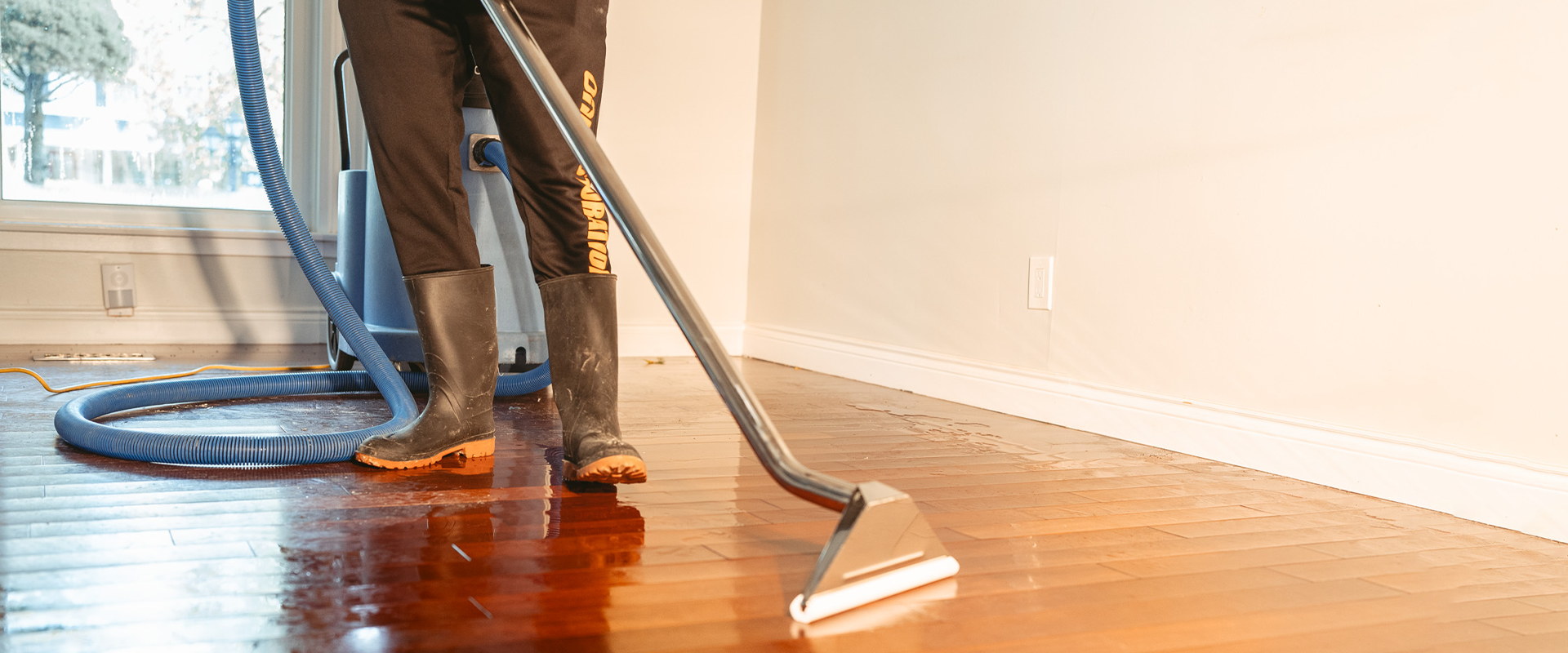
Utilize specialized equipment to remove excess water and minimize further damage and moisture buildup.
Employ industrial-grade air movers and dehumidifiers to thoroughly dry the space and prevent mold growth.
Restore damaged materials, replace irreparable items, and perform repairs to return the space to pre-damage condition.
Timelines depend on the amount of water, materials affected, and whether contamination is involved. Minor leaks may dry in a few days; larger floods can require one to two weeks or more for extraction, drying, monitoring, and repairs. We provide a clear schedule after inspection.
Standing water can carry bacteria, especially from sewage or grey water sources. Electrical hazards, weakened drywall, and mould growth are common secondary risks. Professional crews use PPE, containment, and testing to keep occupants safe.
Common causes include burst pipes, failed water heaters, washing machine hoses, roof leaks, ice dams, foundation seepage, and appliance overflows. Sudden events and slow leaks both require prompt drying to limit structural damage.